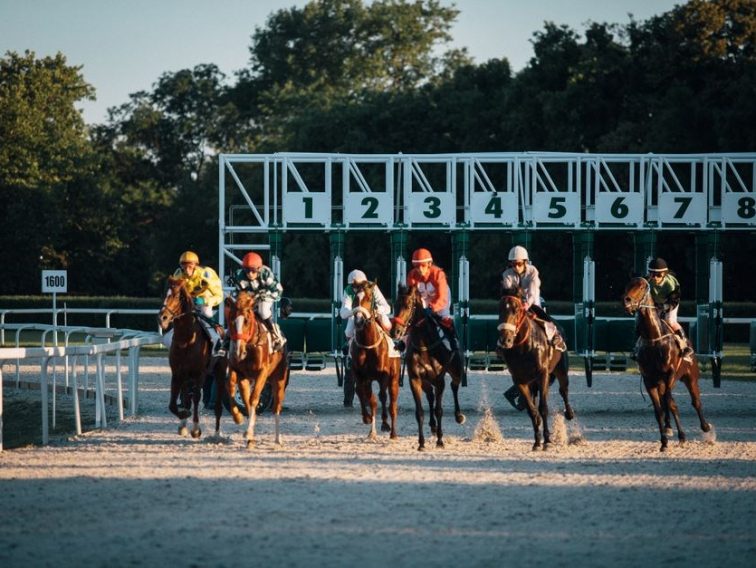
Jockeys rely on precise sizing to balance speed, control, and safety. A fitted harness, saddle, and gear reduce drag, improve power transfer, and keep the rider’s center low. Understanding the right dimensions helps prevent injury and boosts race performance now.
Why Size Matters for Performance
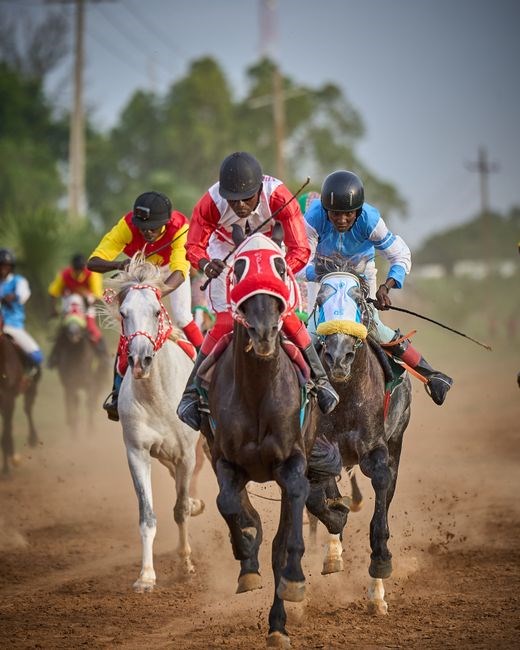
Jockeys operate at the intersection of human physiology and equine performance, where even a few pounds can shift the balance of speed and endurance. A rider’s size determines the aerodynamic profile that the horse must overcome; a slimmer frame reduces drag, allowing the horse to maintain momentum with less effort. Moreover, a well‑proportioned jockey ensures that the saddle sits at the optimal angle, preventing slippage and enabling the rider to shift weight smoothly during turns and over jumps. Proper sizing also distributes the rider’s weight evenly across the saddle, reducing strain on the horse’s back and minimizing the risk of injury. In addition, a correctly sized harness and racing gear fit snugly, preventing chafing and allowing the jockey to focus on timing and strategy rather than discomfort. These factors collectively contribute to a measurable performance advantage, especially in high‑stakes races where fractions of a second matter. By understanding and optimizing their own dimensions, jockeys can improve race outcomes, maintain better health, and extend their competitive careers. Jockeys who master their sizing not only gain speed advantages but also reduce fatigue, enabling them to maintain peak performance across multiple races and seasons. zing checks help maintain weight ensuring compliance with racing rules.
Common Misconceptions About Jockey Weight
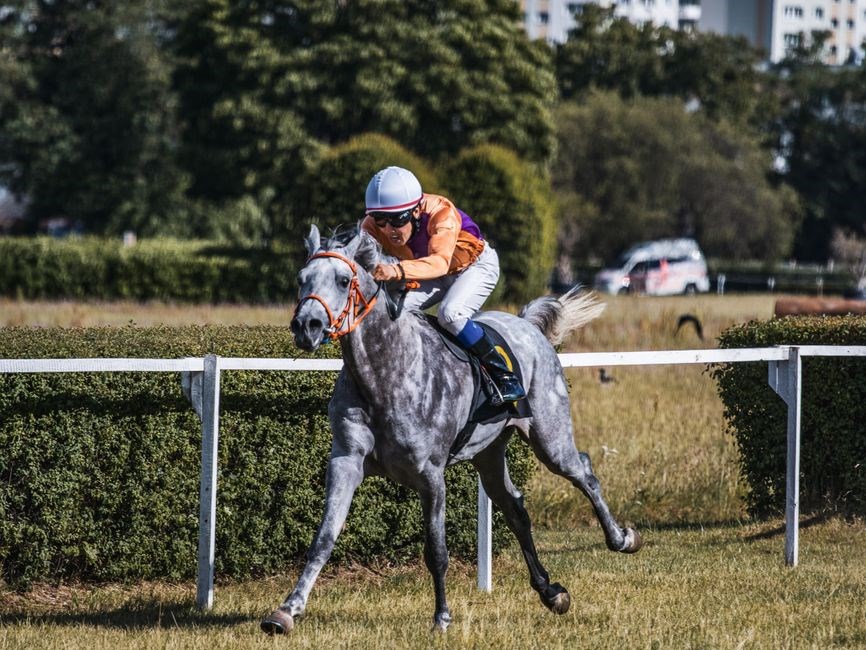
Many riders and fans believe that a lighter jockey automatically guarantees better performance, yet the reality is more nuanced. The first myth is that “less is always better.” While a reduced body mass can lower drag, it also risks compromising muscle mass and endurance, which are essential for maintaining power during long races. The second misconception is that jockeys should constantly trim down to the lowest legal weight. In practice, cutting weight too aggressively can lead to dehydration, loss of glycogen stores, and impaired reaction times, all of which can negate the advantage of a lighter frame. A third false idea is that weight alone determines a rider’s skill. Technical proficiency, balance, and the ability to read a horse’s cues are equally, if not more, important. The fourth myth suggests that all jockeys should aim for the same weight range regardless of height or body composition. In reality, a taller rider with a lean build may perform optimally at a slightly higher weight than a shorter, stockier rider. Finally, the belief that “a heavier jockey is always at a disadvantage” ignores the fact that some horses perform better with a heavier rider due to increased stability and momentum. Understanding these misconceptions helps riders focus on holistic training, nutrition, and equipment fitting rather than obsessing over a single number. They help riders avoid extreme cuts, fit and.!
Understanding the Measurement System
Accurate sizing hinges on a standardized system. Jockeys measure waist, chest, and inseam, then convert to metric or imperial units. Consistent data ensures gear fits, weight limits are met, and performance remains optimal. Accurate measurements boost safety.!!
Metric vs Imperial Units
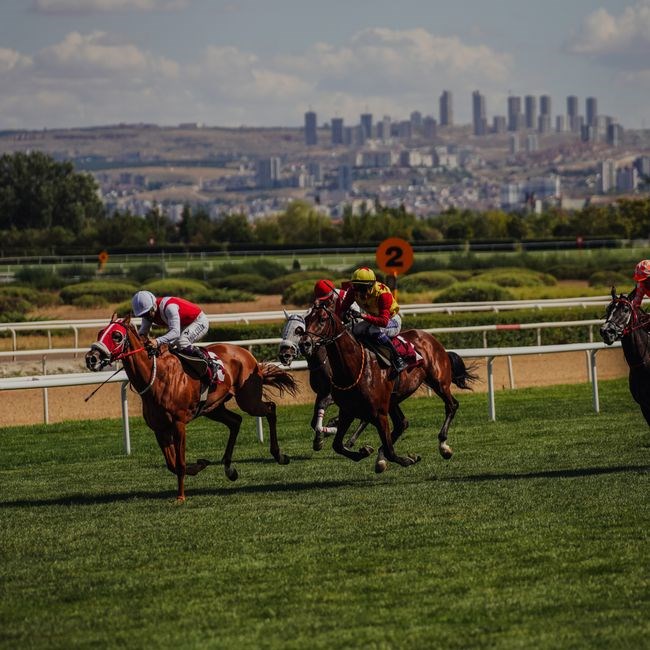
In the world of jockeys, precision sizing is critical for performance and safety. While the United States and a few other nations still use the imperial system, most racing jurisdictions—especially in Europe and Australia—have adopted metric measurements to standardize weight limits and gear fittings. A metric approach simplifies calculations: weight limits are expressed in kilograms, and saddle and harness dimensions can be scaled accurately. Conversely, imperial units remain in use in certain North American tracks where historical data and equipment are calibrated in pounds, inches, and feet. Jockeys traveling internationally must keep a dual‑measurement log to meet local regulations and design specifications. Converting between systems is straightforward: 1 kilogram equals 2.20462 pounds, 1 meter equals 3.28084 feet, and 1 centimeter equals 0.393701 inches. Understanding these conversions ensures that weight penalties or bonuses are applied correctly during races. Ultimately, the choice of system should align with governing bodies’ regulations, the race location, and equipment design. Mastering both metric and imperial units allows jockeys to navigate the global racing landscape with confidence and precision. Regulatory bodies impose weight limits, typically ranging from 110 to 120 pounds (50 to 54 kilograms) for professional jockeys. These limits account for rider weight, equipment, safety margins. Accurate measurements help avoid penalties and ensure fair competition Proper sizing reduces fatigue and enhances race longevity. Jockeys must also monitor body composition maintain optimal weight, as fluctuations can affect balance and speed!
Key Dimensions to Measure
Jockeys must record a series of precise measurements to ensure that saddles, harnesses, and safety gear fit flawlessly. The most critical dimensions include:
- Body weight (kg/lbs): Total rider mass, affecting saddle weight and regulation compliance.
- Height (cm/in): Seat height and rider’s center of gravity for optimal balance.
- Chest circumference (cm/in): Chest strap fit and saddle width to prevent slippage.
- Waist circumference (cm/in): Waist strap fit reduces movement and improves stability.
- Hip and thigh circumference (cm/in): Supports saddle area and rider’s low aerodynamic position.
- Inseam length (cm/in): Stirrup strap length and foot security.
- Arm span (cm/in): Reins length and reach to horse’s mouth.
- Back length (cm/in): Saddle length and weight placement over horse’s center.
These measurements are recorded with a calibrated tape and scale to maintain consistency during training daily and weigh‑ins.
Each measurement should be taken twice—once with the rider in a relaxed stance and once in a racing posture—to capture variations that affect fit. Recording these dimensions in a standardized format allows trainers, equipment manufacturers, and race officials to compare data across seasons and ensures that every rider’s gear is tailored for peak performance and safety.
Standard Jockey Ranks by Weight
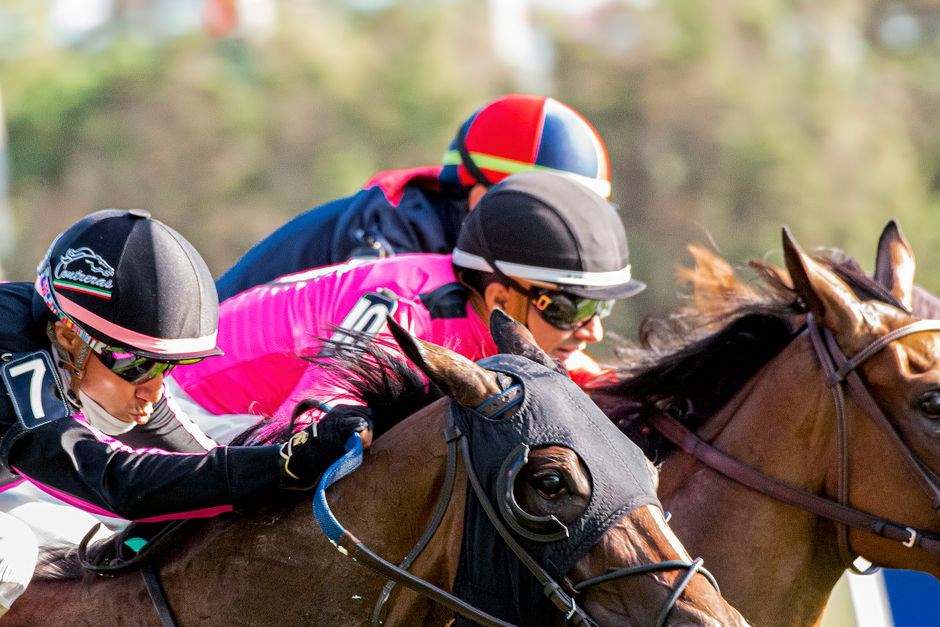
Professional racing bodies worldwide classify jockeys into weight tiers to streamline competition, training, and safety protocols. In the United Kingdom, the Jockey Club’s “Weight Classes” range from 45 kg (99 lb) to 55 kg (121 lb), with intermediate steps of 1 kg increments. The American Thoroughbred Association follows a similar 45–55 kg spectrum, but adds a “Lightweight” category (≤ 45 kg) for emerging riders and a “Heavyweight” bracket (≥ 55 kg) reserved for seasoned professionals who maintain higher body mass for specific race conditions. In Australia, the Racing Australia Federation defines “Junior” (≤ 48 kg), “Intermediate” (48–52 kg), and “Senior” (≥ 52 kg) classes, aligning with age and experience levels. Each rank dictates mandatory gear specifications, such as saddle weight limits, strap tension, and protective equipment, ensuring that a rider’s mass does not compromise horse welfare or race integrity.
Beyond national standards, international governing bodies like the International Federation of Horseracing Authorities (IFHA) endorse a universal “Weight Band” system: 45–48 kg, 48–51 kg, 51–54 kg, and 54–57 kg. These bands are designed to harmonize cross‑border competitions, allowing jockeys to transition between jurisdictions without re‑certification. The IFHA also recommends a “Dynamic Weight Adjustment” protocol, where jockeys can temporarily increase or decrease their official weight by up to 2 kg during a race, provided they meet strict medical clearance and safety checks. This flexibility supports strategic race planning while maintaining fairness and safety across the sport.
Personalized Sizing Tips
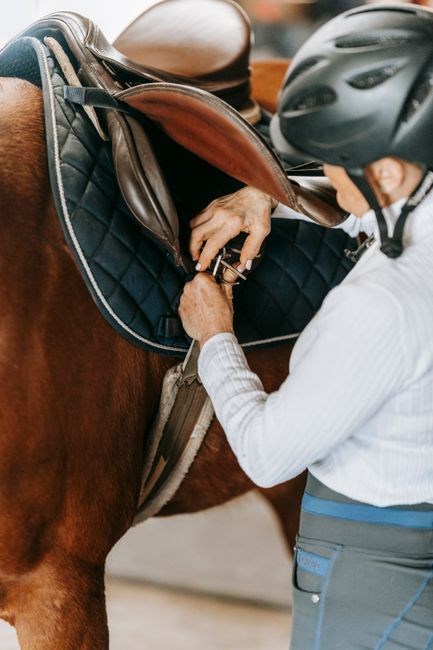
Measure waist, hips, and inseam with a flexible tape. Adjust for height: taller riders need longer inseam and wider saddle. Use a digital scale to track weight changes weekly, ensuring gear fits snugly without excess pressure. Stay!!!

Assessing Body Composition
Jockeys must evaluate body composition to align weight, muscle mass, and endurance. A dual‑measurement approach—body mass index (BMI) and body fat percentage—provides a comprehensive view. BMI, calculated as weight (kg) divided by height squared (m²), offers a quick screen, but it cannot distinguish muscle from fat. For precision, use a calibrated skinfold caliper or bioelectrical impedance analysis (BIA) device. Measure triceps, subscapular, supra‑iliac, and thigh folds, then apply the Jackson‑Pollock formula to estimate total body fat. BIA delivers whole‑body impedance; lower resistance indicates higher hydration and lean mass. Combine both methods: a BMI in the 18–20 range paired with a body fat percentage of 10–12% typically signals optimal racing weight. Track changes weekly; a 0;5% rise in fat may require dietary adjustment, while a 0.2% drop in lean mass could compromise power output. Use a digital scale with a built‑in BIA sensor for consistency. Record data in a spreadsheet, noting date, weight, fat %, lean mass, and any training or nutritional notes. This log helps coaches spot trends, adjust training loads, and fine‑tune nutrition plans. Remember, hydration status fluctuates daily; always weigh in the morning after a brief warm‑up and before any fluid intake. Consistency in measurement conditions ensures reliable comparisons over time. By integrating objective metrics with subjective feedback—such as perceived exertion and recovery quality—jockeys can maintain a body composition that supports peak performance daily!!!
Adjusting for Height and Build
Jockeys vary widely in stature, and a one‑size‑fits‑all approach can compromise balance, leverage, and safety. Height influences the rider’s center of gravity; taller riders naturally sit higher on the saddle, increasing the risk of a forward shift during a turn. To counteract this, adjust the seat height by 1–2 cm per 5 cm of rider height above the average 160 cm jockey. Use a calibrated seat‑height gauge to set the saddle at the optimal level, ensuring the rider’s knees remain slightly flexed while maintaining a low center of mass. Build—muscle mass distribution, torso length, and limb proportions—also affects fit; A rider with a longer torso may need a wider saddle to distribute weight evenly, whereas a stockier build benefits from a narrower seat to reduce pressure points; Additionally, adjust stirrup length to match leg length; a 5 cm difference can alter the rider’s posture, affecting balance during turns. Finally, consider the rider’s flexibility; a more flexible rider can adopt a lower seat position without compromising comfort on the track. Regularly reassess these parameters after training cycles, as muscle gains or losses shift the rider’s center of gravity. By tailoring seat height, saddle width, and stirrup length to individual height and build, jockeys can achieve optimal balance, reduce fatigue, and enhance performance on the track.
Using a Tape Measure for Accuracy
Precision starts with a calibrated tape measure. Begin by measuring the rider’s chest circumference at the widest point, just below the armpits, to determine the proper saddle width. Next, record the waist measurement at the narrowest point, which informs the seat depth. For height, use a wall‑mounted tape: place the rider upright, feet flat, and measure from the floor to the top of the head. This figure guides the seat height adjustments. To capture leg length, measure from the hip joint to the floor while the rider stands with feet together; this informs stirrup placement. Always wrap the tape snugly but not tight, and record each measurement to the nearest millimeter. Repeat the process on both sides to detect asymmetries that could affect balance. Store measurements in a logbook or digital sheet, noting date and any changes. Re‑measure after training sessions or weight fluctuations, as small shifts can alter fit. By following this systematic approach, jockeys maintain a consistent, race‑ready setup that minimizes strain and maximizes performance.
When measuring, ensure the tape is level and parallel to the ground to avoid skewed readings. Record the left and right measurements separately; a 2‑cm discrepancy may require a custom saddle. Keep the tape in a dry, flat place to prevent stretching. Use a ruler to verify the tape’s calibration before each session. Document any adjustments in a log for future reference.
After each measurement, check the tape’s tension; a loose tape can under‑record by up to 2 cm. Compare your data with a pro fitting to keep it accurate.

Health and Safety Considerations
Proper hydration, balanced diet, and regular strength training reduce injury risk. Use protective gear, maintain opt weight, and schedule rest days. Monitor for signs of fatigue dehydration, and muscle strain. Stay fit.
Nutritional Guidelines for Jockeys
Jockeys require a finely tuned diet that supports high energy output, rapid recovery, and strict weight control. A typical plan delivers 2,500–3,000 kcal per day, split into 30% protein, 50% carbohydrates, and 20% healthy fats. Protein sources—lean poultry, fish, eggs, legumes—help rebuild muscle after intensive training sessions. Optimal hydration and sleep are for peak performance. daily!!
Meal timing is critical: a breakfast 3–4 hours before training, a snack 1–2 hours prior, and a recovery lunch within 30 minutes of finishing. Post‑workout meals should include 20–30 g of protein and 50–70 g of carbs to replenish glycogen stores. Hydration targets 2–3 liters of fluid, supplemented with electrolytes during rides. Carb timing boosts speed and power!!
Regular blood panels monitor hemoglobin, ferritin, and vitamin levels, guiding pre‑race adjustments. Portion control, mindful eating, and avoiding processed foods keep body fat low while preserving muscle mass. A schedule with a dietitian ensures jockeys meet weight limits safely.
Monitoring body composition with DXA scans helps jockeys adjust macros, ensuring lean mass while staying within weight classes. Technique reduces exertion, allowing riders to maintain power. Precision boosts longevity and safety!!!
Common Health Issues and Prevention
Jockeys face a unique set of health challenges due to the demands of maintaining low body weight and high performance. The most frequent concerns include chronic fatigue, electrolyte imbalance, bone density loss, and stress‑related injuries. Fatigue stems from caloric deficits and high training loads, often leading to overtraining syndrome. Prevention hinges on a balanced nutrition plan that supplies adequate protein (1.2–1.5 g/kg), complex carbohydrates, and healthy fats, coupled with scheduled rest days and active recovery sessions.
Electrolyte depletion is common during long rides; replacing sodium, potassium, and magnesium through sports drinks or electrolyte tablets mitigates cramps and maintains cardiovascular stability. Bone health is threatened by low calcium intake and high-impact activity; regular DXA scans, vitamin D supplementation, and weight‑bearing exercises help preserve bone mineral density.
Stress‑related injuries such as tendinopathies and ligament sprains often result from repetitive strain. Strengthening the core, hips, and shoulders with targeted resistance training reduces load on vulnerable tissues. Proper saddle fit and riding technique further distribute forces evenly, decreasing the risk of injury.
Monitoring health optimal daily!!
Regular check‑ups, balanced meals, and adequate sleep form the cornerstone of long‑term health for jockeys daily!..
Regulatory Weight Limits
Jockeys worldwide operate under strict weight regulations set by governing bodies such as the Jockey Club, the British Horseracing Authority, and the National Thoroughbred Racing Association. These limits vary by race class, distance, and sometimes by gender, but the core principle remains: the rider’s weight, including gear, must not exceed the prescribed maximum. For flat races in the United States, the typical limit for a jockey is 110 lb (50 kg), while in the United Kingdom it is 11 st 10 lb (70 kg). In longer distance or “stayers” races, the limit may rise to 115 lb (52 kg) to accommodate the increased endurance demands. Female jockeys often have slightly higher allowances, reflecting physiological differences; for example, the Jockey Club permits up to 112 lb (51 kg) for women in certain divisions. These numbers are not arbitrary; they are derived from extensive biomechanical research that links rider weight to race times, horse strain, and injury risk. Exceeding the limit can result in penalties ranging from fines to disqualification, and repeated violations may lead to suspension or revocation of a jockey’s license. To ensure compliance, most racing jurisdictions require riders to weigh in at least 24 hours before the start of a race, and in some cases, a second weigh‑in may be conducted immediately before the race to confirm adherence. Modern technology, such as digital scales with built‑in GPS and time‑stamping, has improved accuracy and reduced disputes. In addition to the official limits, many trainers and racing clubs maintain internal guidelines that encourage jockeys to maintain a healthy weight range—typically 5–10 % above the minimum—to safeguard long‑term health. This approach balances the competitive advantage of a lighter rider with the need to avoid extreme weight loss practices that can compromise bone density, immune function, and overall vitality. Consequently, regulatory bodies are increasingly collaborating with sports nutritionists, physiotherapists, and medical professionals to develop comprehensive weight‑management programs. These initiatives aim to educate jockeys on safe dietary strategies, hydration protocols, and recovery techniques, thereby fostering a culture of wellness that aligns with the sport’s performance standards. Jockeys must also adhere to daily hydration targets, typically 2–3 liters of water, to maintain optimal performance.