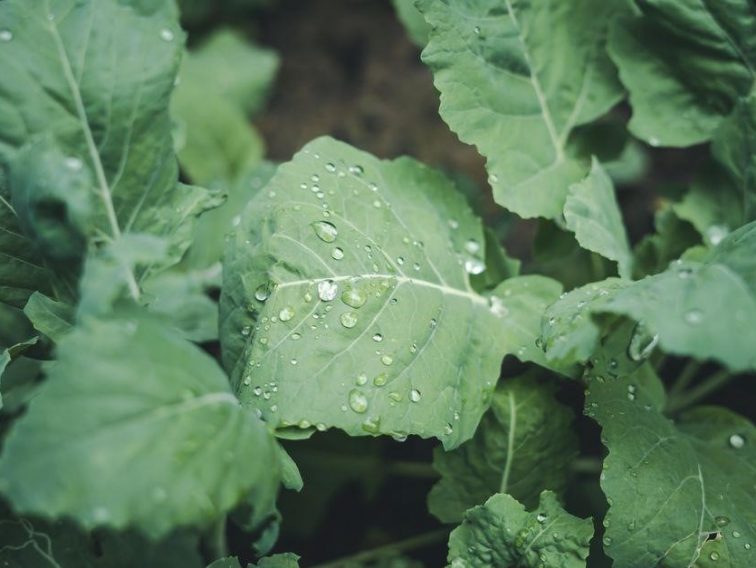
Climate & Soil Preparation in Zone 9
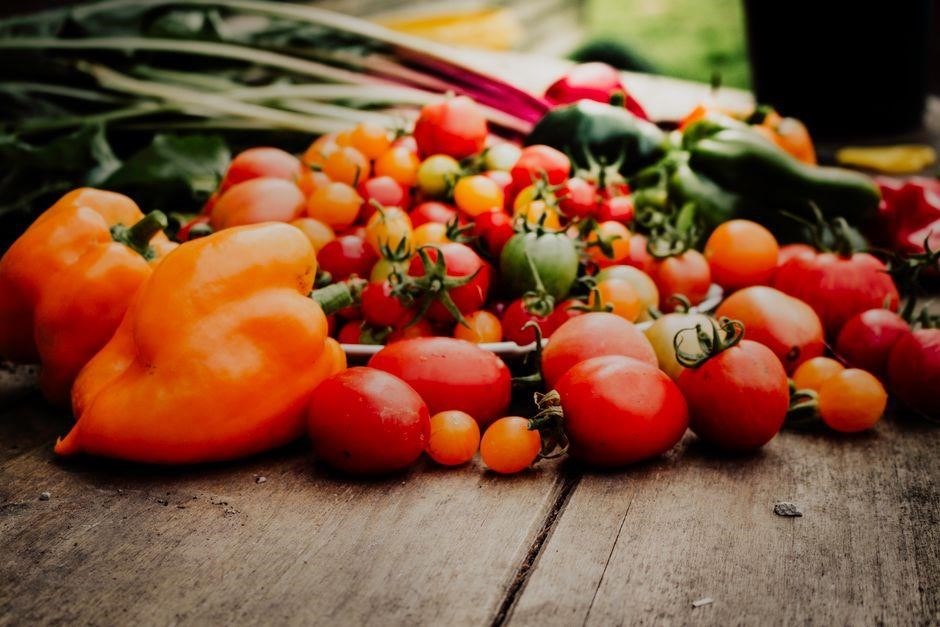
In Zone 9, aim for 80 °F soil before sowing. Warm soil encourages rapid germination. Cover beds with 1–2 inches of mulch—organic or straw—to lock in heat and suppress weeds. Keep beds moist but not soggy, and monitor daily temperatures. Use a thermometer to confirm heathe shredded leaves for insulation.
1.1 Optimal Soil Temperature for Seed Germination (≈80°F)
Zone 9 growers know that seed success hinges on a consistent 80 °F (27 °C) soil baseline. Achieving this temperature requires a two‑step routine: first, test the soil with a digital probe before planting; second, create a thermal blanket that traps heat during the day and releases it at night. A 1–2 inches layer of shredded hardwood mulch or composted coffee grounds works best because it retains heat, suppresses evaporation, and adds organic matter. For beds that are too shallow, consider a light plastic sheet over the mulch, secured with stakes, to amplify daytime warming. Nighttime cooling can be mitigated by adding a second mulch layer, ensuring the soil never drops below 70 °F. Keep the surface moist but avoid waterlogging; a damp, but not saturated, environment prevents fungal spores from germinating. If you’re working in containers, place them in a shaded spot during the hottest part of the day and cover the soil with a thick mulch of straw or shredded leaves. Monitor daily with a thermometer and adjust mulch thickness as needed. Consistent 80 °F soil not only speeds germination but also reduces the risk of seed rot and early pest attacks, giving seedlings a stronger start before the heat of midsummer arrives. By recording daily soil temperature readings, adjusting mulch depth, and timing irrigation, growers can fine‑tune the micro‑climate to keep seedlings in the ideal 80 °F range, which boosts germination rates, reduces heat stress, and ultimately leads to higher yields in the hot Houston summer every year.!!
1.2 Mulching Techniques to Retain Soil Heat
In Zone 9, mulch is the secret weapon for keeping seedbeds at 80 °F. The first rule is to apply 1–2 inches of organic mulch—shredded leaves, straw, or compost—directly over the freshly tilled soil. This layer acts as an insulating blanket, trapping daytime heat and reducing nighttime temperature swings. For beds that are shallow or have a high surface‑to‑volume ratio, add a second 1‑inch layer of lighter material, such as shredded bark or paper mulch, to further buffer the soil. In container gardens, place a thick layer of straw or shredded leaves on top of the potting mix, then cover with a light plastic sheet to create a mini greenhouse effect; secure the sheet with garden stakes to keep it in place during windy afternoons. Keep the mulch moist but not saturated; a damp surface promotes heat retention while preventing fungal spores from proliferating. If you’re working in a sunny, east‑facing yard, consider rotating the mulch every few weeks to expose fresh organic matter to the sun, which speeds decomposition and releases additional heat. For high‑traffic beds, use a double‑layer mulch system: a 2‑inch thick top layer of straw for heat, followed by a 1‑inch bottom layer of compost to feed the soil. Monitor soil temperature with a probe and adjust mulch depth accordingly. This precise mulching routine not only keeps the soil at the desired 80 °F but also reduces evaporation, keeps weeds at bay, and improves overall seedling vigor in the hot Houston summer. Add a mulch layer after the first week to lock in heat now!!!. Remember to check soil moisture daily; dry patch can halt germination.
Sun Exposure & Garden Orientation
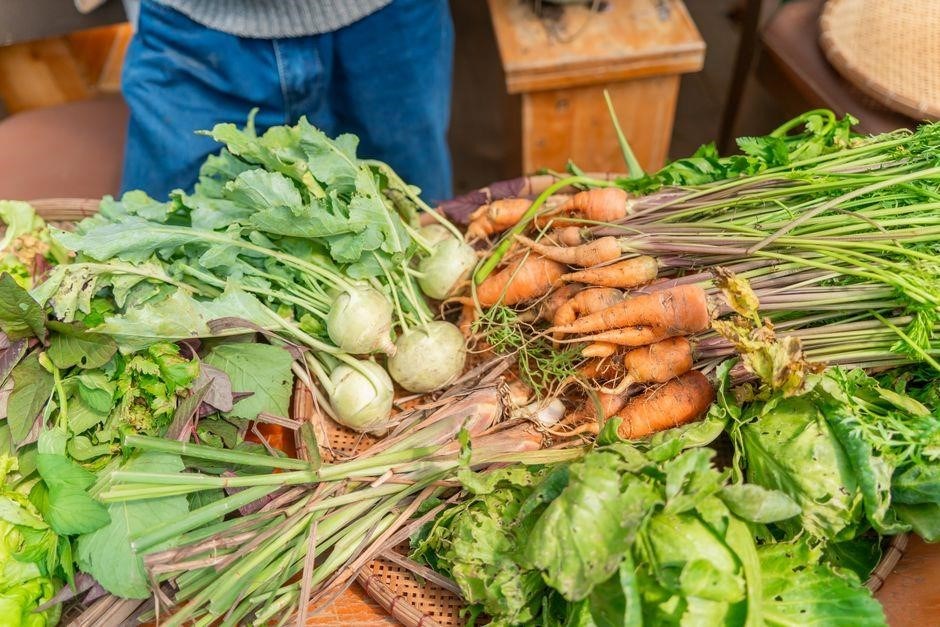
Eastern facing beds capture early light, ideal for heat‑tolerant crops. Western sides suffer afternoon scorch; use shade cloth or plant taller species to protect. Southern or northern orientations work, but adjust crop choice to avoid heat stress. Add shade cloth.!!
2.1 Garden Orientation: Eastern vs Western Facing
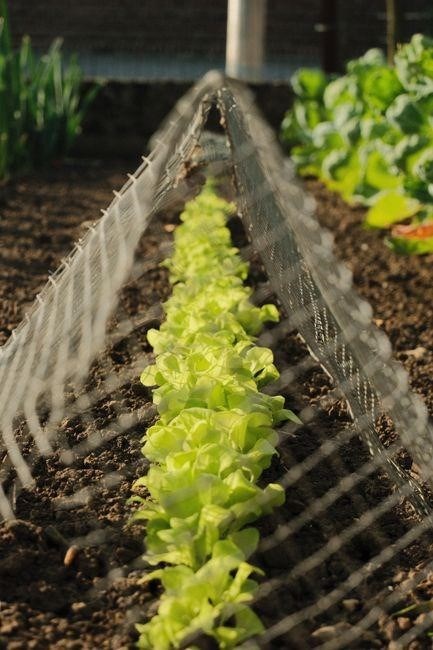
Strategic bed placement benefits from companion planting: basil deters tomato pests, while beans fix nitrogen for leafy greens. Use drip irrigation to conserve water, mulch with shredded leaves to keep soil cool at night, and rotate crops annually to maintain soil health. Rotate crops to keep soil fertile more
Early Summer Crops (May‑June)
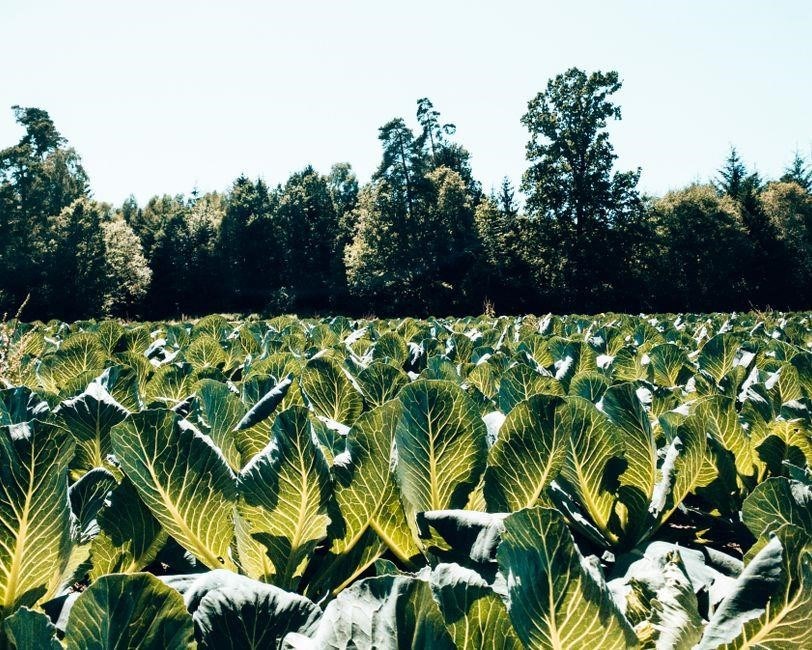
Plant mint, anise, peas, black‑eyed peas, and watermelons in Zone 9. Keep mint and anise in pots to control spread. Black‑eyed peas thrive in heat. Watermelons prefer large beds; container growth is limited. Add compost for nutrients.!!
In Zone 9, early‑summer planting thrives when soil reaches ~80 °F. Mulch 1–2 in. to lock in heat and reduce evaporation. Mint and anise, kept in containers, spread aggressively. Peas and black‑eyed peas flourish in May‑June; sow directly in beds amended with compost. They bolt quickly if temperatures exceed 90 °F. Black‑eyed peas are resilient, forming a dense canopy that shades soil and reduces watering. Maintain consistent moisture, avoid waterlogged conditions, and use a light layer of straw or shredded leaves to suppress weeds. Harvest mint and anise leaves regularly to encourage bushier growth, and pinch back pea pods once they reach a few inches to promote further pod development. By following these practices, you can maximize yield and keep a balanced garden ecosystem during the hottest part of the growing season.
Use drip irrigation or soaker hoses to deliver water directly to the root zone, minimizing evaporation. Water early in the morning or late in the evening to reduce heat stress. Mulch also helps keep the soil temperature stable. If the soil dries, add a thin layer of fresh mulch to conserve moisture. Consider planting a companion such as basil or marigold near peas to deter pests and improve pollination. These herbs thrive in warm conditions and can help keep the garden healthy. Consider a shade cloth during sun to protect seedlings.
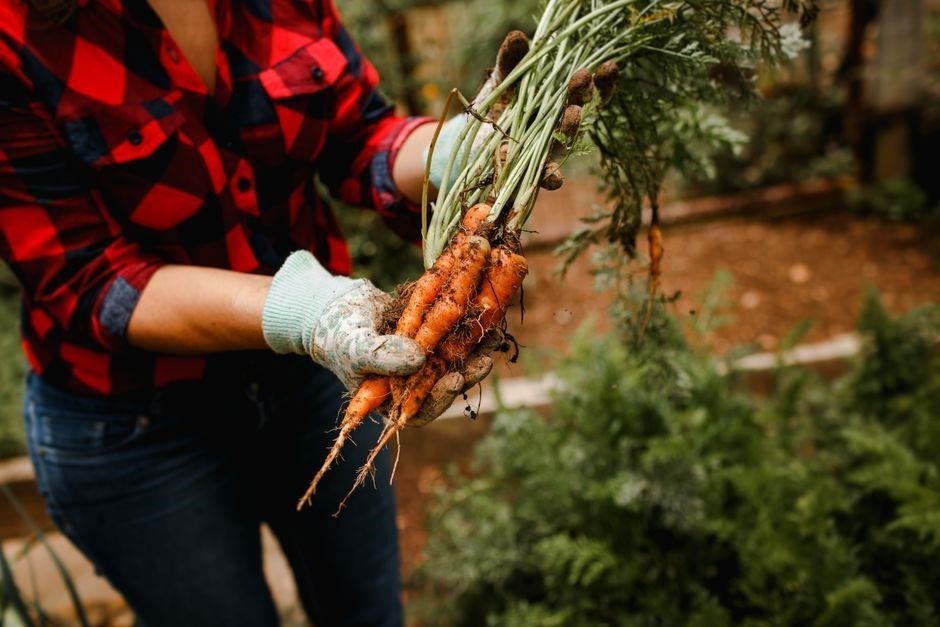
Finally, monitor soil moisture daily and adjust watering accordingly. A light shade cloth during peak sun can extend the growing season and improve plant health.!!
Mid‑Summer Planting (July)
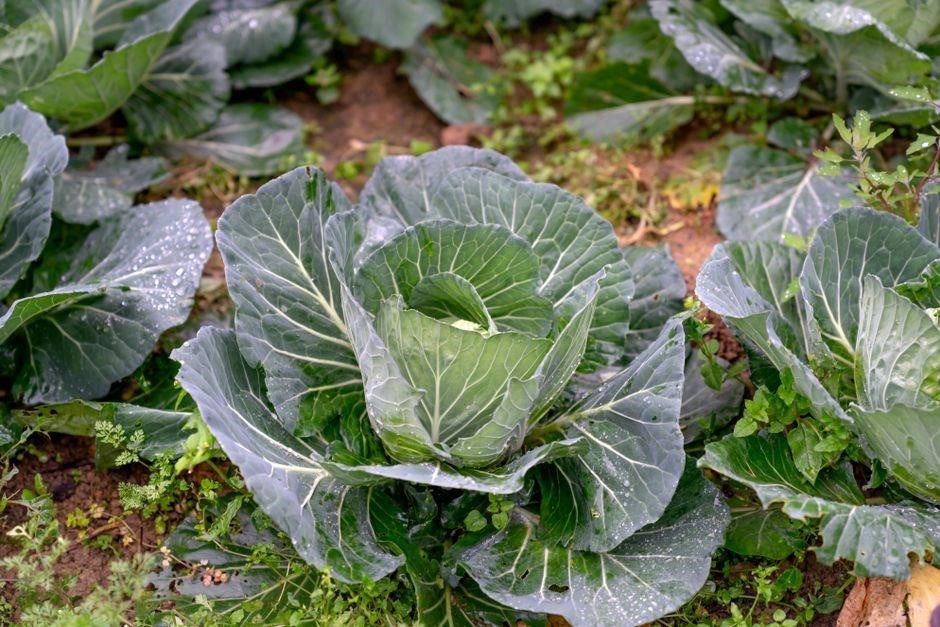
Plant moschata pumpkins and watermelons in July. Use 80°F soil, mulch 1–2 in; to retain heat, and keep beds moist. Grow pumpkins in large beds to deter borers; watermelons need deep, well‑drained soil. Harvest early to avoid heat stress. Use drip irrigation to cool!.
4.1 Pumpkins (Moschata) & Watermelons
July in Zone 9 is ideal for pumpkins and watermelons. Choose varieties: watermelon cultivars such as “Crimson Sweet” or “Sugar Baby” offer flesh and maturity. Beds should be loamy, well‑drained, pH 6.0–6.8. Sow seeds 1 in. deep, spacing 4–5 ft for pumpkins and 3–4 ft for watermelons. Thin seedlings to recommended spacing to give vines room. Water consistently, keeping soil moist but not waterlogged; a drip or soaker hose reduces evaporation and keeps foliage dry, limiting fungal issues. Mulch with straw or shredded leaves to conserve moisture, suppress weeds, and keep roots cool. Monitor for pests: squash bugs, cucumber beetles, and melon flies; use row covers or insecticidal soap as needed. Fertilize with a balanced NPK 10‑10‑10 at planting, then switch to a higher phosphorus‑rich feed (e.g., 5‑10‑10) once vines begin to form. Harvest pumpkins when the rind hardens and color deepens; watermelons are ready when the tendril dries and fruit’s weight feels substantial. Store pumpkins in a cool, dry spot; refrigerate watermelons to preserve sweetness. Provide sturdy stakes or cages for pumpkins to prevent fruit from touching soil, reducing rot. For watermelons, install trellises or use a “topping” technique to keep fruit off the ground and improve air circulation. Encourage pollinators by planting companion flowers like marigolds or nasturtiums nearby. Check for blossom end rot in watermelons; ensure consistent calcium levels by adding gypsum to soil. Finally, rotate crops each year to break disease cycles and maintain soil vigor. for all today!
Late Summer & Early Fall Transition (Aug‑Sep)
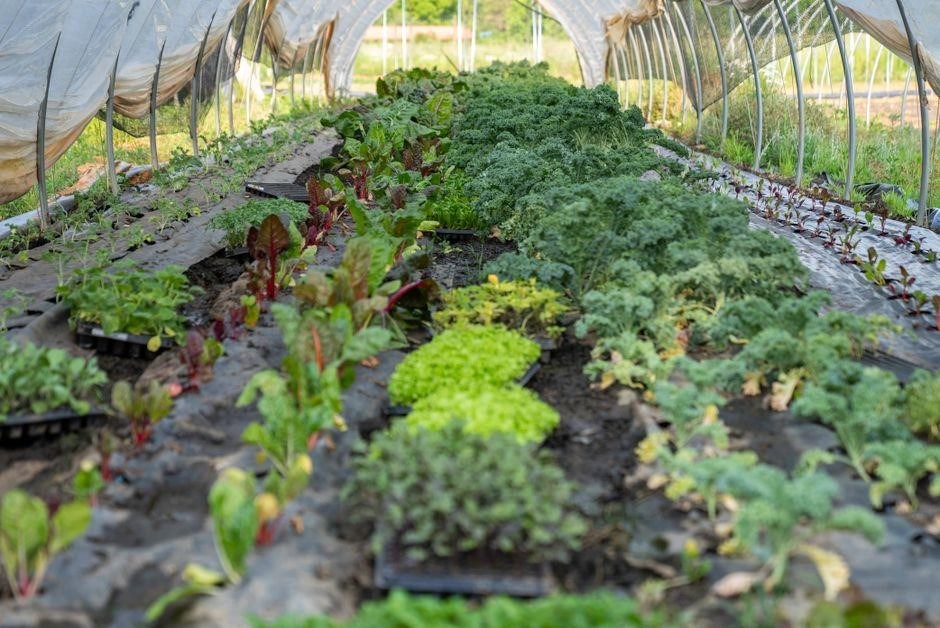
August signals a shift: plant rhubarb crowns, saffron corms, and prepare beds for fall. Amend soil with compost, raise beds to improve drainage. Keep weeds low by mulching and hand‑pulling. Water deeply, then reduce as temperatures drop. Aim for cool, moist soil to support new crops. Keep mulch 2‑in deep.
5.1 Rhubarb & Saffron for Late Summer Cool‑Season Options
Rhubarb and saffron are two of the few cool‑season crops that thrive in Zone 9’s late‑summer heat. Rhubarb crowns should be planted in August, when the soil is still warm but the intense July heat is fading. Choose a location with full sun to partial shade; the plant tolerates 70–80 °F soil but will bolt if temperatures stay above 90 °F for extended periods. Dig a trench 12–18 inches deep, add a handful of compost, and place the crown with the top of the crown level to the soil surface. Cover with 2–3 inches of mulch to keep the roots cool and to suppress weeds. Water deeply once a week, then reduce as the soil cools in September. Harvest the first stalks in late September or early October; they will be tender and sweet. Saffron, on the other hand, is a hardy herb that can be planted in late August. Sow the corms 2–3 inches deep, spacing them 4–6 inches apart. The corms need a well‑drained, slightly alkaline soil; amend with lime if necessary. Mulch with straw or shredded leaves to retain moisture and keep the soil temperature around 70 °F. Water sparingly, just enough to keep the soil moist but not soggy. Saffron’s delicate flowers will appear in late fall, and the stigmas can be harvested for the world’s most expensive spice. Both crops benefit from a light application of balanced fertilizer in early September to support root development. In addition, planting rhubarb and saffron together creates a striking visual contrast, with red stalks against pale yellow flowers, offering both taste and beauty. To maximize yield, plant rhubarb in raised beds or containers to better control soil temperature, and use drip irrigation to keep moisture steady without overwatering. This approach also reduces labor during the hot months and saves water now!
5.2 Soil Prep & Weed Management for Fall
Preparing beds for fall in Zone 9 starts with a deep till or aeration in early August, before the heat peaks. Remove all standing debris and incorporate a generous layer of well‑rotted compost to boost organic matter and improve drainage. Aim for a pH of 6.0–6.5; test and amend with lime or sulfur as needed. After the soil cools in September, apply a 2–3 inches of straw mulch to suppress weeds, conserve moisture, and keep root temperatures between 60–70 °F. Use a thick mulch layer to reduce the need for frequent weeding. For active weed control, employ a pre‑emergent herbicide such as 2,4‑D in late September, following local regulations. After the herbicide has worked, hand‑pull any persistent weeds, especially those that can outcompete tender seedlings. Keep the beds tidy by raking the mulch surface and removing any new shoots. Incorporate a light layer of composted manure in early October to feed late‑season crops and prepare the soil for the next planting cycle. Maintain a consistent watering schedule, providing 1–2 inches per week, and adjust based on rainfall. Finally, cover the beds with a second mulch layer in late October to protect the soil from freeze‑thaw cycles and reduce erosion. This routine ensures a healthy, weed‑free environment for cool‑season crops and sets the stage for a productive spring. By maintaining a consistent mulch thickness of 3–4 inches and applying a balanced fertilizer at the sign of new growth, you can further stabilize soil temperature and encourage robust root development, leading to higher yields.
Fall Crop Planning & Direct Sowing
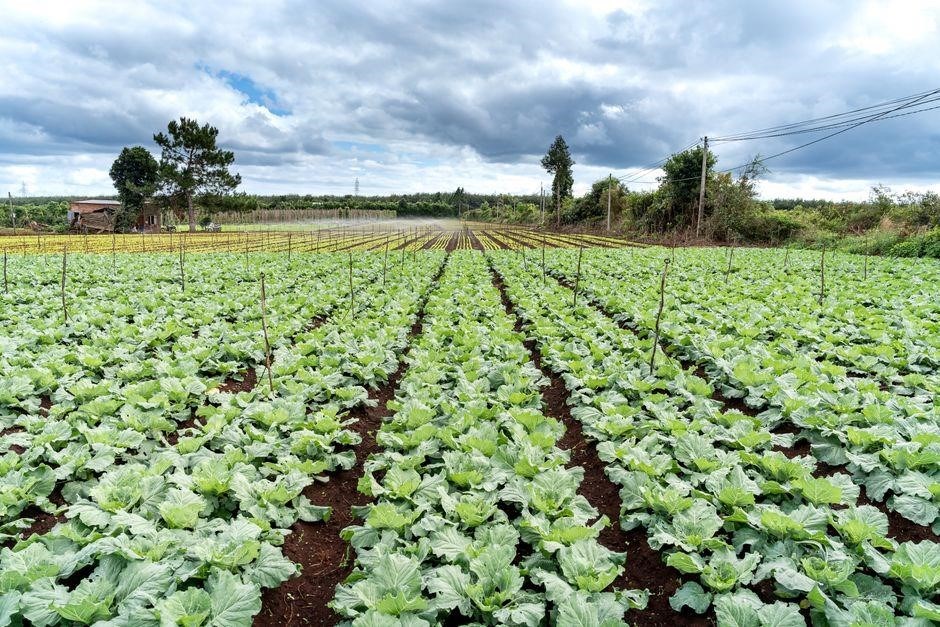
In Zone 9, fall direct sowing thrives when beds are prepped in early September. Remove weeds, add compost, and mulch 3 inches to keep soil 60–70 °F. Plant quick‑maturing crops like beans, cucumbers, and summer squash before the first frost. Keep watering steady. Add a thin layer of compost mulch soon!
6.1 Cool‑Season Crops & Quick Maturing Warm‑Season Direct Sowing: Broccoli, Cabbage, Brussels Sprouts, Beans, Cucumbers, Summer Squash
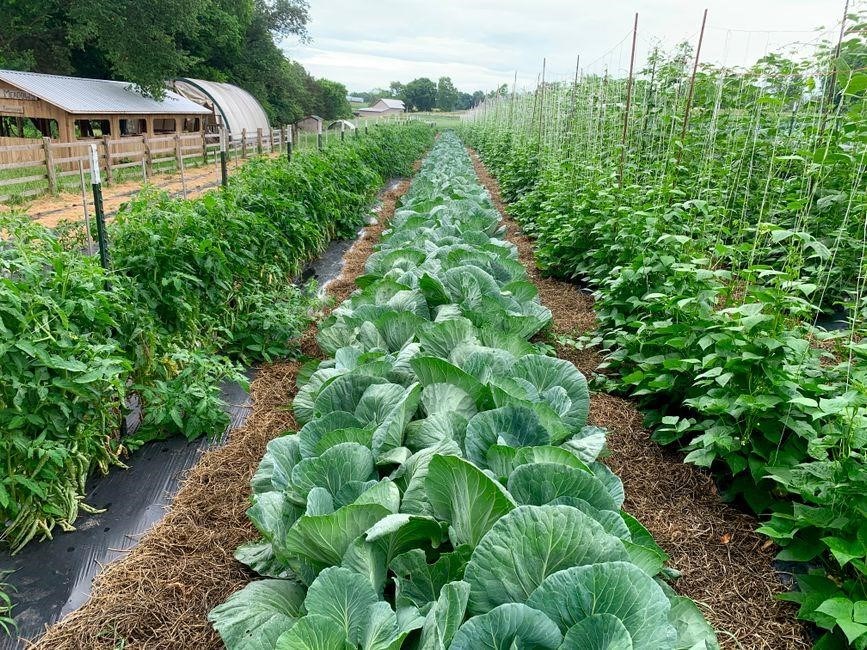
In Zone 9, fall direct sowing of cool‑season greens and fast‑maturing warm‑season crops can be a rewarding strategy. For broccoli, cabbage, and Brussels sprouts, start seeds indoors in late July or early August, then transplant seedlings into beds in early to mid‑September when soil temperatures are still 60–70 °F. These crops tolerate cooler nights and will mature before the first frost. For beans, cucumbers, and summer squash, direct sow in the same early‑September window. Use a 2–3 inches of compost or well‑decomposed manure to enrich the soil. Keep the beds evenly moist; a light mulch of straw or shredded leaves will conserve moisture and suppress weeds. Space broccoli and cabbage 18–24 inches apart, Brussels sprouts 12–18 inches, beans 2–3 inches, cucumbers 12–18 inches,and squash 24–36 inches. Provide trellises for cucumbers and beans to keep the plants upright and improve airflow. Harvest broccoli and cabbage heads when they feel firm; Brussels sprouts should be picked when the buds are tight and green. Beans,cucumbers,and squash will start producing within 3–4 weeks of sowing, offering a quick return on the effort. Monitor for pests such as aphids and squash bugs, and use organic controls like neem oil or insecticidal soap if needed. With proper timing and care, these crops will thrive in Zone 9’s mild fall climate, giving you a bountiful harvest before the first frost. Plant seeds 1–1.5 inches deep for beans,0.5 inches for cucumbers and squash. Use drip irrigation to keep soil moistbut not waterlogged. Row covers protect seedlings from cold snaps. Companion plants like marigolds deter aphids. Harvest when heads firmand in glossy.