
Overview of Free Leather Pattern Resources
Free leather pattern PDFs are available on sites such as LeatherCraft, PatternBank, and CraftyCrafters. These resources offer templates for wallets, belts, and bags, often with detailed measurements and cutting guides. Users can download, print, and adapt patterns to suit their projects. Customizable. 2026
Types of Leather Patterns Available
Free PDF patterns span a wide spectrum, from simple accessories to complex garment designs. The most common categories include:
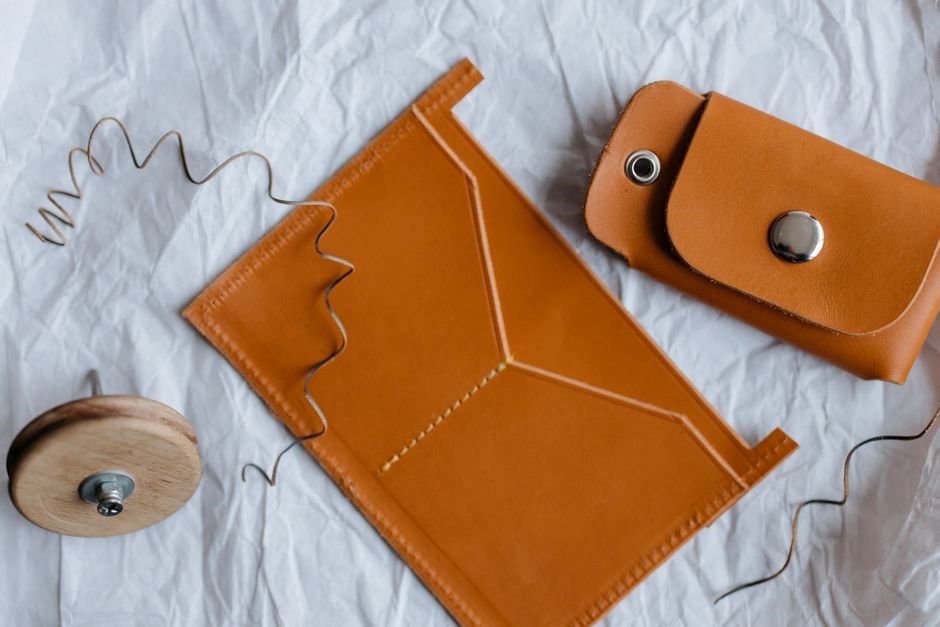
- Accessory Templates – wallets, keychains, belts, and small pouches. These patterns feature straightforward shapes, minimal seam allowances, and are ideal for beginners.
- Bag and Satchel Designs – tote bags, backpacks, messenger bags, and duffel cases. They often come with reinforced stitching instructions and optional lining options.
- Clothing Patterns – jackets, vests, and skirts. These PDFs provide full garment construction details, including lining, closures, and optional hardware placement.
- Home Décor Items – coasters, placemats, and wall panels. Patterns emphasize durability and aesthetic finishes suitable for interior use.
- Customizable Templates – modular pieces that can be combined or resized. Users can modify dimensions in a vector editor before printing.
- Historical and Cultural Patterns – traditional Japanese zori, Native American moccasin outlines, and Victorian glove designs. These PDFs preserve heritage techniques for modern makers.
Most sites offer patterns in editable PDF or SVG formats, allowing hobbyists to adjust measurements or add personal touches. Downloading these resources is often free, though some platforms encourage donations or offer premium bundles for advanced users.
Enjoy customizing these patterns for a project!
Legal Considerations for Downloading PDFs
Always check the license before downloading. Public‑domain or Creative‑Commons‑BY patterns are safe. For copyrighted designs, ensure the author grants free use or a personal‑use license. Respect attribution, avoid commercial resale, for personal use!.
Copyright and Licensing Basics
When you download a leather pattern PDF, the first thing to check is the license attached to the file. Most free patterns are released under Creative Commons (CC) licenses, which can range from CC‑BY (allowing use with attribution) to CC‑BY‑NC (non‑commercial use only). If the license is not explicitly stated, assume the pattern is copyrighted and you need permission from the author. Some designers offer their patterns under a public domain dedication, meaning you can use, modify, and sell the finished product without restrictions. Always read the license text carefully; it will specify whether you can alter the pattern, redistribute it, or use it for commercial projects. If you plan to sell a product made from a downloaded pattern, you must confirm that the license permits commercial use. If it does not, you should either seek written permission or use patterns from reputable sites that provide clear licensing information. Respecting copyright not only protects the creator’s rights but also keeps your own projects legally safe. In case of doubt, contact the author or use patterns from reputable sites that provide clear licensing information.
When using these PDFs, keep a record of the source URL and the date of download. This documentation helps in case the license changes or you need to verify compliance later. Additionally, many pattern designers offer a quick reference sheet that outlines the recommended cutting tools, stitching guidelines, and finishing tips. Incorporating these details can reduce waste and improve the final product’s quality. Finally, always respect the author’s intent by sharing credit in any public showcase or tutorial you create.
Use them responsibly!

Trusted Websites for PDF Downloads
Trusted sites for free leather pattern PDFs include LeatherCraft, PatternBank, and CraftyCrafters. These platforms offer CC‑BY licensed templates for wallets, belts, and bags. Always verify the license, download safely, and credit authors when sharing or selling finished items and share for your projects
Popular Community Platforms
Leather artisans worldwide rely on online communities to share, critique, and refine free PDF patterns. The subreddit r/leathercraft hosts pattern swaps, with users posting PDFs that range from simple wallets to saddles. Instructables offers step‑by‑step tutorials that include downloadable pattern files, while Pinterest boards aggregate links to repositories and showcase finished projects. Facebook groups such as “Leather Crafting Community” and “DIY Leather Projects” provide a space for members to request pattern types, receive feedback, and discuss cutting techniques. Discord servers dedicated to leatherwork—like “LeatherCraft Discord” and “Saddle & Gear” – real‑time chat, live Q&A sessions, and channels for pattern uploads. Many of these platforms encourage contributors to attach licensing info, typically Creative Commons BY or CC0, ensuring patterns can be freely downloaded and modified. Users share tips on converting PDFs into cutting templates, adjusting scale, and printing on high‑resolution paper. The collaborative nature of these communities means patterns evolve: a basic wallet template may be updated with ergonomic measurements or alternative stitching options based on collective input. Additionally, forums such as the Leather Working Group provide archival links to older pattern PDFs that remain relevant. By engaging with these platforms, hobbyists gain access to a range of free patterns, learn practices,share designsdaily dailyfueling improvement. Resources updated regularly for all skill level.
File Formats and Compatibility
Free leather patterns usually come as PDFs for universal access. Print on A4, scale in Inkscape, or export to SVG/DXF for laser cutting. For hand‑cutting, use high‑res PNGs. Works on Windows, macOS, and Linux. These PDFs support vector and raster workflows, resize loss now;!
Converting PDFs to Pattern Templates

When you download a free leather pattern in PDF format, the first step to use it on a cutting machine or for hand‑cutting is to convert it into a usable template. Most patterns are vector‑based, so tools like Adobe Illustrator, Inkscape, or CorelDRAW can open the file directly. Import the PDF, then trace the outlines to create clean vector paths. If the PDF contains raster images, use the “Image Trace” function to convert them into scalable shapes. Once the paths are clean, export the file as an SVG or DXF; these formats are compatible with laser cutters, vinyl cutters, and CNC routers. For hand‑cutting, you can also export a high‑resolution PNG or JPEG, ensuring the dimensions are set to the actual leather size (e.g., 8.5×11 inches for A4). Always keep a copy of the original PDF in case you need to adjust measurements later. When exporting, check that the units are in millimeters or inches, depending on your cutting system, and that the scale is 1:1. Some free pattern sites provide a “ready‑to‑cut” PDF that already contains a scale bar; in that case, simply print the PDF on a large sheet and trace it onto the leather with a rotary cutter. If you plan to use a laser cutter, add a thin black outline to the vector file to help the machine detect the shape boundaries. Finally, test the template on a scrap piece of leather to verify fit before cutting the final piece. Remember to calibrate your cutting tool before use and check the template against the leather’s grain for optimal results.
Crafting with Downloaded Patterns
Use the PDF template to trace onto leather, marking grain line. Cut with rotary cutter or laser for precision. Sew edges with saddle stitch or leather glue. Finish with edge burnishing or wax for durability. Test on scrap leather before final cut.Use a rotary cutter for clean edges. Enjoy crafting!OK!
Tools and Techniques for Cutting
When working with downloaded leather pattern PDFs, start by printing the template onto a high‑resolution sheet or using a laser cutter for precise outlines. Lay the leather flat on a cutting mat and secure it with masking tape to prevent shifting. A rotary cutter with a fresh blade offers clean, straight cuts; for intricate shapes, a sharp craft knife or leather saw provides control. Mark the pattern’s grain line and cut along it to maintain texture consistency. Use a ruler or a cutting guide to keep lines straight. For curved edges, a flexible cutting mat and a curved blade or a rotary cutter with a curved edge attachment work well. After cutting, trim excess material with a pair of scissors or a leather edge trimmer to remove burrs. Edge finishing can be achieved by burnishing with a bone folder or applying a leather edge paint for a polished look. Always test cuts on a scrap piece of leather to adjust blade depth and angle before cutting the final piece. This workflow ensures accurate, professional results when turning free PDF patterns into finished leather goods.
Additionally, using a rotary blade with a depth adjustment ensures clean cuts without tearing the leather; A laser cutter can produce intricate shapes with minimal waste, but requires a compatible leather grade. For hand‑cut projects, a sharp X‑Acto knife and a cutting mat with a grid aid precision. Always keep the blade sharp and the leather flat to avoid jagged edges. These combined methods yield professional results

Troubleshooting Common Issues
Common problems include low‑resolution PDFs, missing pattern sides, or misaligned measurements. Check the PDF’s DPI, zoom to 100%, and use a ruler to verify dimensions. If sides are missing, download a full version or request the author. Resizing can distort shapes. Use a vector editor for scaling. Now
Low-Resolution or Missing Sides
When downloading free leather pattern PDFs, users often encounter low‑resolution images or incomplete sides. Low DPI (≤150) can make measurements hard to read, while missing sides usually result from truncated PDFs or author omissions. To resolve these issues, first verify the file size: a pattern should be at least 1 MB. If the PDF is smaller, re‑download from the original source. Thanks.
Next, open the PDF in a viewer that supports zooming (Adobe Acrobat, Foxit, or Preview). Zoom to 100 % and use the ruler tool to confirm that all sides are present. If a side is missing, check the page layout—sometimes the pattern is split across two pages. Merge them by printing both pages on a single sheet or using a PDF editor to combine them, and double‑check the alignment.
For low‑resolution patterns, convert the PDF to a vector format (SVG or AI) using tools like Inkscape or Adobe Illustrator. Vectors scale cleanly, eliminating pixelation. If vector conversion isn’t possible, increase the DPI by printing the PDF at a higher resolution and scanning it back in, or use image editing software to sharpen the lines and adjust scale as needed. Carefully.
Finally, contact the pattern author via the website’s support or community forum. Many creators offer free updates or can provide a corrected file upon request. Always keep a backup of the original PDF before editing to avoid data loss carefully

Community and Feedback Channels
Leathersmiths share patterns on Reddit r/leathercraft, Facebook groups, and Discord servers. Users post photos, ask for tweaks, and rate free PDFs. Creators respond with updates, alternate cuts, and troubleshooting tips, fostering a collab learning environment!!.
Sharing Your Projects and Upgrades
After downloading a free leather pattern PDF, many crafters turn to online forums to showcase their finished pieces and discuss modifications. Platforms such as Reddit’s r/leathercraft, Facebook Groups, and Discord servers provide dedicated spaces where users can upload photos, describe stitching techniques, and request feedback. By tagging posts with #leatherpatterns or #DIYleather, creators help others locate similar projects quickly.
- Upload before and after shots: Show the raw pattern layout, the cut leather, and the final product to illustrate the transformation.
- Detail your upgrades: Note any material swaps, color changes, or added hardware such as snaps or rivets.
- Share measurements: Provide exact dimensions and any adjustments made to the original PDF to aid replicators.
- Request advice: Ask about alternative stitching methods or finishing treatments that could improve durability.
Community members often reply with suggestions, alternate pattern links, or step‑by‑step guides, creating a collaborative learning loop that benefits both novices and seasoned leatherworkers.