Hallelujah Music Sheet PDF: A Comprehensive Guide (Updated March 24, 2026)
Discover readily available “Hallelujah” sheet music in PDF format, sourced from platforms like MuseScore and DanJovi․com․ These resources offer options for piano,
guitar, and vocal arrangements, catering to diverse musical skill levels and preferences․
What is “Hallelujah” and its Musical Significance?
Leonard Cohen’s “Hallelujah” transcends a simple song; it’s a modern hymn, a deeply resonant piece of musical storytelling that has captivated audiences for decades․ Originally released in 1984, the song gained widespread recognition through Jeff Buckley’s 1994 cover, becoming a staple in popular culture and frequently featured in film, television, and various performances․
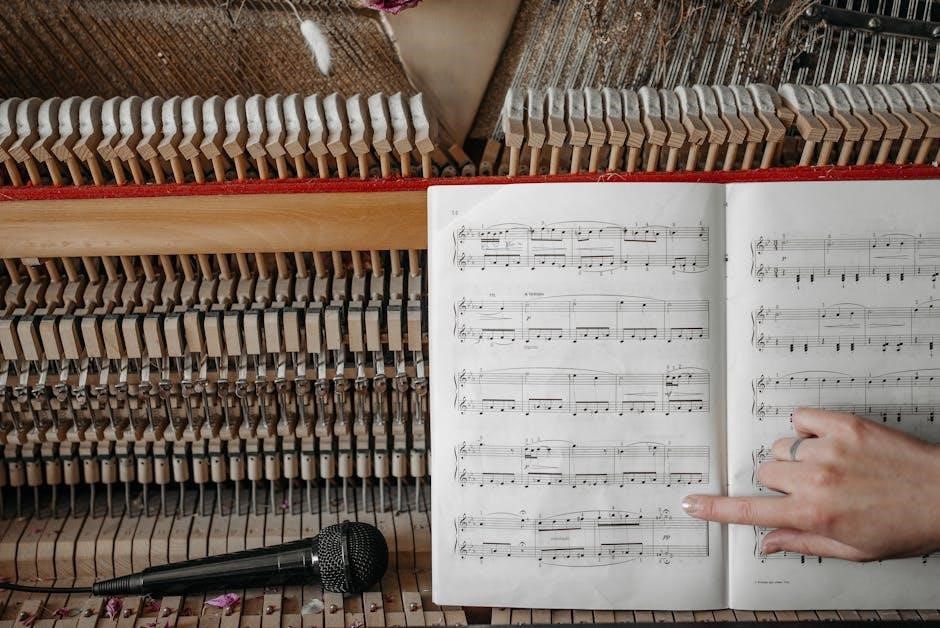
Its musical significance lies in its deceptively simple structure, built upon a repeating chord progression that allows for lyrical complexity and emotional depth․ The song’s power resides in its ability to evoke a spectrum of feelings – joy, sorrow, longing, and spiritual contemplation – making it universally relatable․
The availability of “Hallelujah” sheet music, particularly in PDF format, reflects its enduring popularity and the desire of musicians to learn and perform this iconic piece․ Platforms like MuseScore host numerous arrangements, demonstrating the song’s adaptability to various instruments and skill levels․ The demand for sheet music underscores its status as a cornerstone of contemporary musical repertoire, inspiring countless interpretations and arrangements․
Leonard Cohen’s “Hallelujah”: A Brief History
Released in 1984 on Cohen’s album Various Positions, “Hallelujah” initially received modest attention․ Cohen himself struggled with the song, writing numerous verses and often feeling ambivalent about its reception․ Despite this, it slowly gained traction through live performances and, crucially, through other artists’ interpretations․
The song’s breakthrough moment arrived with Jeff Buckley’s haunting 1994 cover, which introduced “Hallelujah” to a new generation․ Buckley’s rendition, often considered definitive, stripped the song down to its emotional core, amplifying its lyrical and musical power․ This version propelled “Hallelujah” into the mainstream consciousness․
Following Buckley’s success, the song experienced a resurgence in popularity, appearing in soundtracks like Shrek and becoming a frequent choice for contestants on singing competition shows․ The widespread demand for “Hallelujah” sheet music, readily available now as PDFs, is a direct consequence of this enduring legacy and the desire to recreate Cohen’s and Buckley’s iconic performances․ Copyright remains with Leonard Cohen’s estate and Stranger Music Incorporated․
Why the Demand for “Hallelujah” Sheet Music?
The enduring appeal of Leonard Cohen’s “Hallelujah” fuels a consistent demand for its sheet music․ The song’s lyrical depth, exploring themes of love, loss, and spirituality, resonates deeply with musicians and audiences alike․ Its relatively simple, yet profoundly moving, chord progression makes it accessible to players of varying skill levels․
The song’s versatility contributes to its popularity; it’s frequently performed at weddings, memorial services, and concerts, requiring readily available arrangements․ The availability of “Hallelujah” sheet music in PDF format, easily downloadable from platforms like MuseScore and DanJovi․com, caters to this widespread need․
Furthermore, the numerous interpretations – Jeff Buckley’s being particularly influential – inspire musicians to create their own versions․ Access to sheet music allows for both faithful recreations and innovative arrangements․ The song’s cultural significance, cemented by its presence in film and television, further drives the demand for accessible musical notation․
Finding “Hallelujah” Sheet Music Online: Popular Platforms
Numerous online platforms host “Hallelujah” sheet music in PDF format, catering to diverse needs and preferences․ MuseScore․com stands out as a leading resource, boasting a vast community of musicians sharing arrangements, including many free options for Leonard Cohen’s masterpiece․ Users can download, print, and even contribute their own transcriptions․
DanJovi․com provides a direct PDF download option, offering a convenient solution for those seeking a readily available arrangement․ This platform specifically features sheet music for the piano version of “Hallelujah”․ Beyond these, general sheet music retailers and online marketplaces often carry various arrangements․
When searching, be mindful of copyright considerations and ensure the source is legitimate․ Exploring different platforms allows musicians to compare arrangements, difficulty levels, and formats before selecting the most suitable version for their needs․ Remember to check user reviews and ratings for quality assurance․
MuseScore: A Leading Source for Free Sheet Music
MuseScore․com has established itself as a premier destination for musicians seeking free sheet music, and Leonard Cohen’s “Hallelujah” is prominently featured within its extensive library․ The platform hosts over 1,500,000 digital sheet music pieces, contributed by a global community of creators, composers, and music enthusiasts․
Users can find a diverse range of “Hallelujah” arrangements on MuseScore, encompassing various instruments, skill levels, and stylistic interpretations․ From simple piano arrangements to complex orchestral scores, the platform caters to both beginners and experienced musicians․ The interactive score viewer allows for playback and customization;

Furthermore, MuseScore fosters a collaborative environment where users can share feedback, suggest improvements, and even create their own arrangements․ This dynamic community aspect ensures a constantly evolving and expanding collection of “Hallelujah” sheet music, making it a valuable resource for anyone looking to learn or perform this iconic song․ © 2026 MuseScore Ltd․
DanJovi․com: Direct PDF Download Option
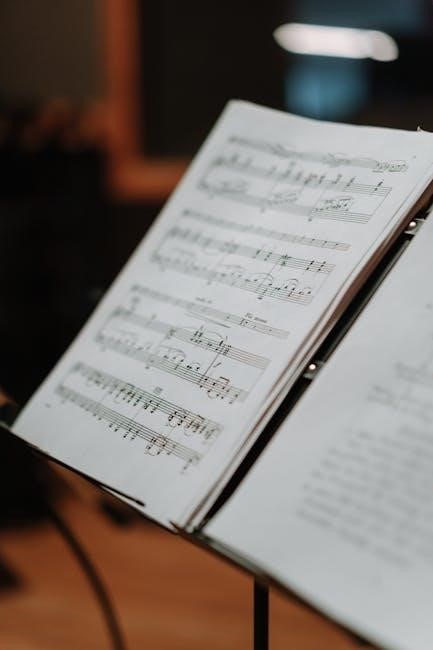
DanJovi․com provides a straightforward and convenient method for obtaining “Hallelujah” sheet music in PDF format․ Unlike platforms requiring browsing or account creation, DanJovi․com offers a direct download link, simplifying the process for musicians eager to begin learning the song․
The available PDF, published on September 1st, 2020, appears to be specifically tailored for piano players, offering a complete score of Leonard Cohen’s classic․ This direct access eliminates the need to navigate through extensive libraries or filter search results, making it an efficient choice․
However, it’s crucial to acknowledge the copyright information associated with the sheet music․ The document clearly states copyright ownership by Leonard Cohen (Stranger Music Incorporated, USA) and Sony/ATV Music Publishing (UK) Limited, with all rights reserved․ Users should respect these copyright restrictions and utilize the sheet music for personal, non-commercial practice and learning purposes only․
Different Versions of “Hallelujah” Sheet Music
The enduring popularity of “Hallelujah” has resulted in a multitude of sheet music arrangements, catering to various instruments and skill levels․ While the core melody and chord progression remain consistent, adaptations exist for solo piano, guitar (with chords and tablatures), vocal performances, and even ensemble arrangements․
MuseScore․com, a vast repository of user-submitted sheet music, showcases this diversity․ You’ll find numerous interpretations, ranging from simplified beginner versions to complex arrangements incorporating intricate harmonies and embellishments․ These variations reflect individual interpretations and arrangements created by musicians within the community․
Furthermore, different versions may focus on specific sections of the song or incorporate elements from various performances․ Some arrangements prioritize vocal melodies, while others emphasize instrumental accompaniment․ The availability of these diverse options allows musicians to select a version that best suits their abilities and musical preferences, ensuring a rewarding learning experience․
Key Signatures and Chord Progressions in “Hallelujah”
“Hallelujah” is commonly performed in the key of C major, though variations exist․ Sheet music often reflects this key, simplifying playability for many musicians; However, transpositions to other keys are frequently available to accommodate different vocal ranges or instrumental preferences․
The song’s chord progression is deceptively simple yet profoundly moving․ It primarily revolves around a sequence of chords – C, G, Am, F – creating a cyclical harmonic structure․ This progression, while basic, is enriched by subtle variations and inversions throughout the song, adding depth and emotional resonance․
Analyzing sheet music reveals how these chords are voiced and arranged, influencing the overall texture and feel of the piece․ Understanding the underlying harmonic structure is crucial for interpreting the song effectively and creating compelling arrangements․ The consistent use of these chords contributes to the song’s recognizable and emotionally impactful sound․
Piano Arrangements: Difficulty Levels and Variations
Piano sheet music for “Hallelujah” spans a wide range of difficulty levels, from beginner-friendly simplified arrangements to complex, virtuosic interpretations․ Beginner versions typically focus on the melody and basic chord accompaniment, utilizing simpler rhythms and fewer embellishments․
Intermediate arrangements introduce more intricate chord voicings, arpeggiated patterns, and subtle harmonic variations․ These versions often incorporate the song’s iconic descending bassline, adding depth and texture․ Advanced arrangements may feature elaborate introductions, interludes, and improvisational sections․
Variations in piano arrangements often include different stylistic interpretations – from faithful renditions mirroring Leonard Cohen’s original to more contemporary or jazz-influenced adaptations․ Sheet music sources like MuseScore and DanJovi․com offer diverse options, allowing pianists to choose arrangements that suit their skill level and musical taste․ Exploring these variations enhances musical understanding and performance․
Guitar Arrangements: Chords and Tablatures
Guitar sheet music for “Hallelujah” commonly presents arrangements in both chord charts and tablature formats, catering to different playing styles and skill levels․ Chord charts provide the harmonic structure, enabling strumming or fingerpicking patterns, while tablatures visually represent finger placements on the fretboard․
Beginner guitarists often start with simplified chord progressions, focusing on essential chords like C, G, Am, and F․ Intermediate arrangements introduce more complex chords, such as variations with added 7ths or sus chords, and incorporate fingerpicking techniques․ Advanced players can explore intricate fingerstyle arrangements, replicating the song’s emotional depth․
Tablatures are particularly useful for learning the song’s iconic arpeggiated intro and melodic lines․ Online platforms like MuseScore provide a wealth of guitar arrangements, ranging from basic chord-melody versions to detailed transcriptions․ These resources empower guitarists to learn and perform “Hallelujah” with accuracy and expression․
Vocal Arrangements: Melody Lines and Harmonies
Vocal sheet music for “Hallelujah” typically focuses on presenting the melody line with accompanying chord symbols for piano or guitar․ These arrangements often include lyrics, allowing singers to learn the song’s poignant narrative alongside the musical notes․
More advanced vocal arrangements may incorporate harmonies, adding depth and richness to the performance․ These harmonies can be presented as separate vocal parts, enabling choirs or vocal ensembles to create layered textures․ Understanding the song’s harmonic structure is crucial for effectively blending vocal lines․
Sheet music sources, like MuseScore, frequently offer vocal arrangements suitable for various vocal ranges and skill levels․ Some arrangements may include simplified versions for beginners, while others feature more complex harmonies and embellishments for experienced singers․ Careful attention to phrasing and dynamics is essential for conveying the song’s emotional impact․
Copyright Considerations and Legal Use of Sheet Music
Understanding copyright law is vital when utilizing “Hallelujah” sheet music․ The song is protected by copyright, originally held by Leonard Cohen and Stranger Music Incorporated (USA) in 1984, with Sony/ATV Music Publishing (UK) Limited also holding rights․
Downloading sheet music from platforms like DanJovi․com or MuseScore requires awareness of usage restrictions․ While MuseScore offers free sheet music, it relies on user submissions and may have varying copyright statuses for individual arrangements․
Generally, using sheet music for personal practice or educational purposes is permissible․ However, public performance, distribution, or commercial use necessitates obtaining appropriate licenses or permissions from the copyright holders․
Always respect the “All Rights Reserved” notice and “International Copyright Secured” declaration․ Unauthorized reproduction or modification of copyrighted sheet music constitutes infringement and may have legal consequences․
Understanding Sheet Music Notation for “Hallelujah”
Decoding the sheet music for “Hallelujah” requires familiarity with standard musical notation․ Key signatures indicate sharps or flats, influencing the scale and chords used throughout the song․ Time signatures define the rhythmic structure, typically 4/4 in common arrangements․
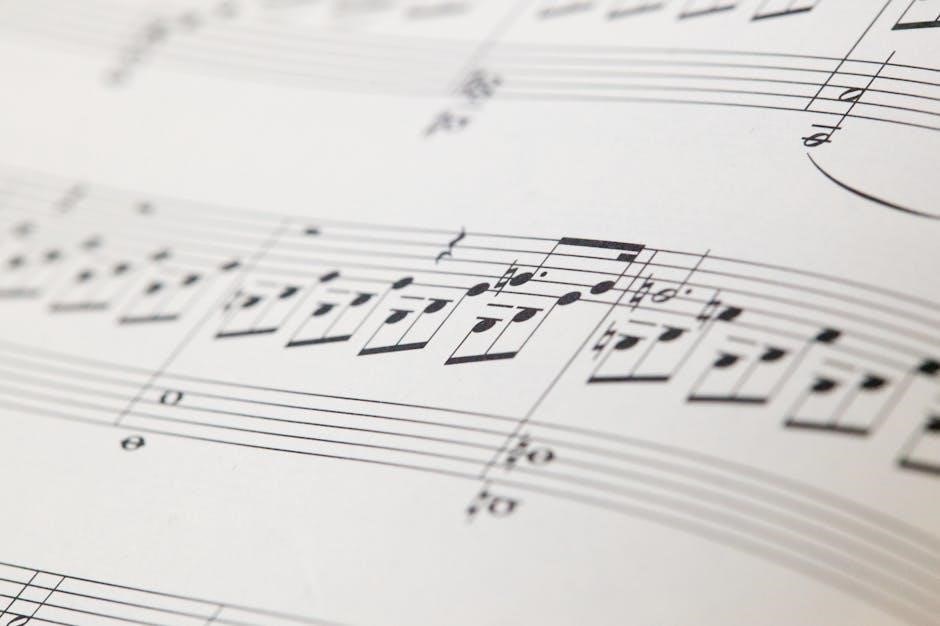
Chord symbols above the staff represent the harmonic progression, crucial for accompaniment on piano or guitar․ Note values (whole, half, quarter, etc․) determine the duration of each note, shaping the melody’s rhythm․
Stemmed notes on the staff indicate pitch and octave․ Ledger lines extend the staff’s range for higher or lower notes․ Dynamic markings (p for piano, f for forte) guide expressive interpretation․
Slurs and ties connect notes, affecting articulation and phrasing․ Understanding these elements allows musicians to accurately interpret and perform “Hallelujah” from the sheet music, capturing Cohen’s intended musicality․
Tips for Learning to Play “Hallelujah” from Sheet Music
Begin by practicing slowly, focusing on accuracy over speed․ Break down the song into smaller sections – perhaps verse by verse – to master each part before combining them․ Utilize online resources like MuseScore to listen to the melody and chords, internalizing the sound․
Pay close attention to the chord changes; “Hallelujah” features a distinctive progression․ For piano, practice the left-hand accompaniment separately from the right-hand melody․ Guitarists should focus on cleanly changing chords and mastering fingerpicking patterns․
Don’t hesitate to simplify the arrangement initially, omitting complex embellishments․ Gradually add these details as your proficiency grows․ Consistent, focused practice is key to successfully learning “Hallelujah” from sheet music, allowing you to express its emotional depth․
Common Challenges and How to Overcome Them
Many musicians find the chord progressions in “Hallelujah” initially challenging due to their subtle variations․ Slow practice with a metronome is crucial for developing accurate timing and smooth transitions․ Difficulty reading the sheet music can be addressed by focusing on one hand at a time, then combining them․
The song’s emotional depth can also be a hurdle; conveying the feeling requires musicality beyond technical accuracy․ Listen to various interpretations of “Hallelujah” to understand its nuances․ If using a PDF from DanJovi․com or MuseScore, ensure the print quality is clear for easy reading․
Overcoming these challenges requires patience and persistence․ Utilize online tutorials and resources to clarify any confusing sections․ Remember to break down complex passages into smaller, manageable parts, building confidence with each step․
Resources for Further Learning and Practice
For comprehensive learning, MuseScore․com (https://musescore․com/artist/leonard_cohen-135209?srsltid=AfmBOooQRqqqsuql598PirBXdm7VOFo5448uHpP41l0Irt6jtMDdI8V6) provides a vast library of user-submitted “Hallelujah” arrangements, offering diverse interpretations and skill levels․ Explore these to broaden your understanding․
DanJovi․com (https://danjovi․com/wp-content/uploads/2020/09/Leonard-Cohen-Hallelujah-sheet-music․pdf) offers a direct PDF download, ideal for focused practice; Supplement this with YouTube tutorials demonstrating various playing techniques and stylistic approaches․
Consider joining online music communities and forums to connect with other musicians learning “Hallelujah”․ Sharing experiences and seeking feedback can accelerate your progress․ Remember to respect copyright laws when utilizing and sharing sheet music resources, acknowledging Leonard Cohen and associated publishers․