
Tax Reference Guide 2026: A Comprehensive Overview
Navigating the 2026 tax landscape requires understanding recent changes, especially President Trump’s Working Families Tax Cuts, impacting refunds and take-home pay for millions of Americans․
Welcome to the 2026 tax season! As of March 13, 2026, we are well into the filing period, and early indicators show a significant impact from the Working Families Tax Cuts enacted under President Trump․ Approximately 45% of tax returns filed thus far have claimed at least one of these new tax benefits․

This year’s season promises bigger refunds and increased take-home pay for many working families across the nation․ However, the tax code is constantly evolving, and staying informed is crucial for maximizing your benefits and ensuring accurate filing․ This guide will provide a comprehensive overview of the key changes, deadlines, and resources available to help you navigate the 2026 tax season with confidence․
Whether you choose to utilize tax software, seek professional assistance, or file independently, understanding the latest regulations and available tools is paramount․ We will explore various filing options, including NETFILE certification and CRA representation, to empower you to make informed decisions․
Key Dates and Deadlines for Filing
Mark your calendars! While the specific final deadline isn’t explicitly stated in the provided information, understanding typical tax season timelines is vital․ Generally, the tax filing season begins in late January and culminates around April 15th․ However, extensions are available for those needing additional time․
It’s crucial to gather all necessary tax documents – W-2s, 1099s, and records of deductions – as early as possible․ Procrastination can lead to errors and potential penalties․ Remember that even if you file for an extension, any taxes owed are still due by the original filing deadline․
NETFILE certification for tax software is ongoing, ensuring compatibility with the Canada Revenue Agency (CRA) systems․ Keep an eye on CRA announcements for any adjustments to key dates․ Utilizing tax calculators early can help estimate your liability and plan accordingly․ Don’t delay – start preparing today for a smooth and stress-free filing experience!

Understanding the Latest Tax Cuts (Trump’s Working Families Tax Cuts)
President Trump’s Working Families Tax Cuts are significantly benefiting households, with nearly 45% claiming at least one cut, resulting in larger refunds and increased pay․
Impact of Tax Cuts on Refunds
The implementation of President Trump’s Working Families Tax Cuts has demonstrably impacted tax refunds across the nation․ As of mid-filing season in 2026, a substantial 45% of tax returns are claiming at least one of these new tax benefits․ This translates directly into larger refund amounts for millions of American households, providing a welcome financial boost․
These cuts are designed to provide financial relief to working families, and the increased refund amounts are a clear indication of their success․ The changes affect various income levels and family structures, meaning the specific impact on a refund will vary․ However, the overall trend is overwhelmingly positive, with taxpayers experiencing a noticeable increase in the money they receive back from the government․
Taxpayers are encouraged to utilize available resources, such as tax software and professional assistance, to ensure they are claiming all eligible credits and deductions․ Understanding the specifics of these tax cuts is crucial for maximizing potential refund amounts and achieving optimal financial outcomes during the 2026 tax season․
Increased Take-Home Pay – What to Expect
Alongside larger refunds, President Trump’s Working Families Tax Cuts are also leading to increased take-home pay for many American workers․ This means that individuals and families are seeing more money in their paychecks throughout the year, rather than solely during tax refund season․ The adjustments to tax brackets and deductions contribute to this positive shift in disposable income․
The extent of the increase in take-home pay will depend on individual circumstances, including income level, filing status, and the number of dependents․ However, the overall expectation is that a significant portion of the workforce will experience a noticeable difference in their net earnings․ This provides greater financial flexibility for everyday expenses, savings, and investments․
Employers have been adjusting payroll withholdings to reflect the new tax laws, ensuring that employees benefit from the cuts throughout the year․ Taxpayers should review their W-4 forms and consult with tax professionals to confirm their withholdings are accurately adjusted for optimal financial benefit․
Eligibility Criteria for Tax Cut Benefits
Determining eligibility for the benefits of President Trump’s Working Families Tax Cuts requires careful consideration of specific criteria․ While many taxpayers are benefiting, not everyone automatically qualifies for all provisions․ Income levels play a crucial role, with thresholds varying based on filing status – single, married filing jointly, or head of household․

Generally, the tax cuts are designed to provide relief to middle-income and working-class families․ However, the exact income limits and phase-out ranges are essential to understand․ Taxpayers with higher incomes may see reduced benefits or become ineligible entirely․ The presence of qualifying children or dependents can also impact eligibility for certain credits and deductions․
It’s important to consult official IRS resources or a qualified tax professional to accurately assess your eligibility․ Utilizing tax software can also help identify applicable benefits based on your individual tax situation․ Understanding these criteria ensures you maximize your potential tax savings․

Federal Income Tax Basics
Understanding federal income tax involves navigating tax brackets, standard deductions, itemized deductions, and available tax credits․ These elements determine your tax liability for 2026․
Tax Brackets for 2026
The 2026 federal income tax brackets are crucial for calculating your tax liability․ These brackets define the percentage of income taxed at each level․ While specific figures are subject to annual adjustments, understanding the structure is key․ Generally, as income increases, the tax rate also increases, moving taxpayers into higher brackets․
It’s important to remember that these are marginal tax rates – meaning only the portion of your income within a specific bracket is taxed at that rate․ For example, if you’re in the 22% bracket, only the income falling within that range is taxed at 22%, not your entire income․ The brackets are designed to be progressive, ensuring higher earners contribute a larger percentage of their income in taxes․
Taxpayers should consult official IRS resources or utilize tax software to determine their precise tax bracket based on their filing status (single, married filing jointly, etc․) and total taxable income․ Accurate bracket identification is essential for accurate tax calculations and maximizing potential refunds or minimizing tax owed․
Standard Deduction Amounts
The standard deduction is a fixed amount that taxpayers can subtract from their adjusted gross income (AGI) to reduce their taxable income․ For the 2026 tax year, these amounts will be adjusted for inflation․ Utilizing the standard deduction simplifies tax filing, as it eliminates the need to itemize deductions․
The specific amount varies based on filing status․ Single filers and those married filing separately generally have a lower standard deduction than those who are married filing jointly or heads of households․ Seniors and individuals who are blind are often eligible for a higher standard deduction amount․
Taxpayers should compare the standard deduction amount to their total itemized deductions (like medical expenses, state and local taxes, and mortgage interest) to determine which method results in a lower tax liability․ Choosing the larger deduction – either standard or itemized – will minimize the amount of income subject to tax․
Itemized Deductions – A Detailed Look
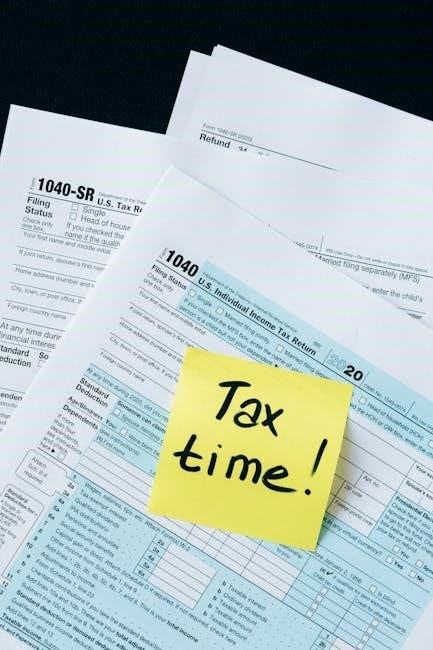
Itemized deductions allow taxpayers to reduce their taxable income by specific expenses, offering potential tax savings beyond the standard deduction․ Common itemized deductions include medical expenses exceeding 7․5% of AGI, state and local taxes (SALT) capped at $10,000, mortgage interest, and charitable contributions․
Medical Expenses: Qualified medical expenses encompass costs for diagnosis, treatment, and prevention of illness․ State and Local Taxes (SALT): This includes property taxes and either state income taxes or sales taxes․ Mortgage Interest: Taxpayers can deduct interest paid on home loans, subject to certain limitations․ Charitable Contributions: Donations to qualified charities are deductible, with limits based on AGI․
Careful record-keeping is crucial when itemizing․ Taxpayers must maintain receipts and documentation to substantiate their deductions․ Determining whether to itemize or take the standard deduction requires comparing the total itemized deductions to the standard deduction amount for their filing status․
Tax Credits Available in 2026
Tax credits directly reduce your tax liability, offering a more significant benefit than deductions․ Several credits are available for 2026, potentially lowering your overall tax burden․ These include credits for families, education, and energy efficiency․
Child Tax Credit: Provides a credit for each qualifying child․ Earned Income Tax Credit (EITC): Benefits low-to-moderate income workers and families․ Education Credits: The American Opportunity Tax Credit and Lifetime Learning Credit help offset education expenses․ Energy Credits: Incentives for making energy-efficient improvements to your home․
Eligibility requirements vary for each credit, so careful review is essential․ Some credits are refundable, meaning you can receive a refund even if you owe no taxes․ Others are non-refundable, limited to reducing your tax liability to zero․ Utilizing available tax credits is a key strategy for minimizing your tax bill․

Provincial Tax Information (Saskatchewan & Alberta)
Provincial tax landscapes are evolving, with Saskatchewan introducing a new 8th tax bracket and Alberta adjusting personal income levels for 2025, impacting resident taxes․
Saskatchewan Tax Updates for 2025
Significant changes to Saskatchewan’s tax system are taking effect for the 2025 tax year, requiring residents to carefully review their provincial tax and credits forms․ The most notable update is the introduction of a new 8th tax bracket․ This bracket applies to the first $60,000 of taxable income, potentially altering tax liabilities for a substantial portion of the population․
Taxpayers should familiarize themselves with the updated bracket structure to accurately calculate their provincial tax obligations․ Resources are available to assist in completing the necessary forms and understanding the implications of this change․ It’s crucial to ensure accurate reporting to avoid potential issues with the Canada Revenue Agency (CRA)․
Furthermore, individuals should consult official Saskatchewan government publications and utilize available tax calculators to estimate their tax liability under the new system․ Staying informed about these updates is essential for compliant and optimized tax filing in 2025․
New 8th Tax Bracket in Saskatchewan
The introduction of an eighth tax bracket in Saskatchewan for 2025 represents a key shift in the province’s personal income tax structure; This new bracket specifically applies to the initial $60,000 of taxable income, impacting a broad range of Saskatchewan residents․ Understanding how this change affects your individual tax situation is crucial for accurate filing․
Previously, Saskatchewan utilized seven tax brackets․ The addition of this eighth bracket aims to provide tax relief for lower and middle-income earners, though the overall impact will vary depending on individual income levels․ Taxpayers should carefully review their income and deductions to determine how the new bracket affects their tax liability․
Resources and tax calculators are available to help residents navigate this change․ Consulting official Saskatchewan government publications and seeking professional tax advice are recommended to ensure compliance and optimize tax outcomes․ This new bracket is a significant update to be aware of during the 2025 filing season․
Alberta Tax Changes – Personal Income Levels
Alberta has implemented changes to the personal income levels used in calculating provincial taxes for the 2026 tax year․ These adjustments are vital for residents to accurately determine their tax obligations․ The alterations impact how income is categorized into different tax brackets, potentially leading to changes in the amount of provincial tax owed․
Taxpayers should be aware that the income thresholds defining each bracket have been revised․ This means that income levels that previously fell into one bracket may now fall into another, resulting in a different tax rate․ It’s essential to utilize updated tax tables and calculators to reflect these changes․
Consulting the official Alberta government resources and seeking guidance from a tax professional are highly recommended․ Understanding these adjustments is crucial for accurate tax filing and avoiding potential errors․ These changes aim to align Alberta’s tax system with current economic conditions and provide appropriate tax relief․

Filing Your Taxes: Options and Resources
Numerous avenues exist for filing your 2026 taxes, including tax software like TurboTax, NETFILE certification, and CRA representation, alongside step-by-step guidance and helpful tax calculators․
Tax Software Options (TurboTax, etc․)
Selecting the right tax software can significantly streamline your filing process․ Several certified options are available, like TurboTax, offering a user-friendly experience with tools designed to maximize your refund․ These platforms guide you step-by-step, simplifying complex tax regulations․ Remember, these software companies are not representatives of the Canada Revenue Agency (CRA); you are responsible for the accuracy of the information submitted․
TurboTax allows you to start, continue, amend returns, and access past filings․ Other options exist, each with varying features and price points․ Consider your tax situation’s complexity – simple returns may benefit from basic software, while those with investments or self-employment income might require more robust features․ Ensure the software is NETFILE certified for electronic filing directly to the CRA․ Explore features like importing prior-year data and receiving assistance with specific credits and deductions to optimize your filing experience․
NETFILE Certification and CRA Representation
NETFILE certification is crucial for electronically filing your taxes with the Canada Revenue Agency (CRA)․ Software companies must meet specific standards to achieve this certification, ensuring secure and accurate transmission of your tax data․ It’s important to understand that tax software companies with NETFILE certification are not representatives of the CRA․ You remain solely responsible for the information you submit․
While software can guide you, it doesn’t offer CRA representation․ If you require assistance navigating complex tax issues or need someone to communicate with the CRA on your behalf, you’ll need to engage a qualified tax professional․ These professionals can provide personalized advice, represent you during audits, and ensure compliance with all tax regulations; Always verify credentials before entrusting your tax matters to anyone․ Utilizing NETFILE simplifies filing, but doesn’t replace the need for professional guidance when facing intricate tax scenarios․
Step-by-Step Tax Filing Guidance
Successfully filing your 2026 taxes involves a clear, methodical approach․ Begin by gathering all necessary tax documents, including T4 slips (employment income), T3 slips (investment income), and receipts for eligible deductions․ Next, choose your filing method – tax software, a tax professional, or paper filing․ If using software, follow the step-by-step instructions carefully, entering information accurately․
Tax software often includes helpful tools and prompts to maximize your refund․ Double-check all entries before submitting․ If filing on paper, use the official CRA forms and ensure all sections are completed legibly․ Remember to claim all eligible tax credits and deductions․ Finally, submit your return by the filing deadline․ Utilizing tax calculators can provide an estimated liability, aiding in preparation․ Regardless of the method, meticulousness is key to a smooth and accurate filing process․
Using Tax Calculators to Estimate Your Tax Liability
Tax calculators are invaluable tools for proactively managing your finances during the 2026 tax season․ These online resources allow you to estimate your potential tax liability or refund based on your income, deductions, and credits․ Inputting accurate information, such as employment income, investment earnings, and eligible expenses, yields a more reliable estimate․
Several reputable tax software providers offer free tax calculators on their websites․ These tools can help you understand the impact of the latest tax cuts, like the Working Families Tax Cuts, on your individual situation․ While not a substitute for professional advice, tax calculators provide a useful preliminary assessment․ Remember to account for both federal and provincial tax obligations, specifically considering changes in Saskatchewan and Alberta’s tax brackets․ Utilizing these calculators empowers you to plan and avoid unexpected tax bills․

Specific Tax Topics & Changes
Key areas include OBBBA changes affecting individuals, families, and businesses, plus the tax implications of entitlements ending after December 31, 2025, requiring careful review․
OBBBA Changes and Their Impact
The Ontario Budget Balancing and Backlog Act (OBBBA) introduces significant alterations to tax regulations impacting individuals, families, and businesses alike․ Understanding these changes is crucial for accurate tax filing in 2026․ Specifically, the OBBBA modifies several key deductions and credits, potentially altering tax liabilities for a broad spectrum of taxpayers․
For individuals, the OBBBA may affect eligibility criteria for certain provincial credits, requiring a thorough review of personal financial circumstances․ Families could experience changes in benefit calculations due to adjusted income thresholds or credit amounts․ Businesses need to assess how the OBBBA impacts their operational expenses and potential tax deductions․
It’s essential to consult official resources and potentially seek professional tax advice to navigate these complexities․ The CRA website provides detailed information on the OBBBA and its implications․ Failing to account for these changes could lead to errors in tax filings and potential penalties․ Staying informed and proactive is key to a smooth tax season․
Tax Implications of After December 31, 2025 Entitlements
Taxpayers receiving entitlements concluding after December 31, 2025, face specific tax implications requiring careful consideration during the 2026 filing season․ These entitlements, potentially including benefits, grants, or other forms of financial assistance, may be considered taxable income depending on their nature and the governing regulations․
It’s crucial to determine whether the received amount constitutes a taxable benefit․ Documentation detailing the entitlement’s terms and conditions is essential for accurate reporting․ Failure to report these entitlements correctly could result in penalties and interest charges from the CRA․
Specifically, understand if the entitlement is a one-time payment or a recurring benefit․ Recurring benefits may require pro-rating across multiple tax years․ Consulting the CRA’s guidelines or a qualified tax professional is highly recommended to ensure compliance and optimize tax outcomes․ Proper planning and accurate reporting are vital for avoiding unexpected tax liabilities․
Resources for Business Tax Filing
Business owners have access to a variety of resources to streamline their 2026 tax filing process․ Tax software options, like TurboTax, offer specialized features for business income and expenses, ensuring accuracy and maximizing potential deductions․ These platforms often provide expert help and support, unlike some competitors․
The Canada Revenue Agency (CRA) website is a primary source of information, offering guides, forms, and updates on business tax regulations․ NETFILE certification allows businesses to file securely online, though software providers aren’t CRA representatives․
For complex situations, seeking professional assistance from a qualified accountant or tax preparer is advisable․ 100% accurate business tax filing plus expert help is available․ Resources also include detailed instructions, tax calculators to estimate liabilities, and guidance on OBBBA changes impacting businesses․ Don’t hesitate to utilize these tools for a smooth and compliant filing experience․
Finding Help with Tax Preparation
Navigating the 2026 tax season can be challenging, and numerous resources are available to assist individuals․ Tax software companies, such as TurboTax, provide step-by-step guidance and tools to maximize refunds, offering both self-service and credentialed tax help․ Compare filing options to determine the best fit for your needs․
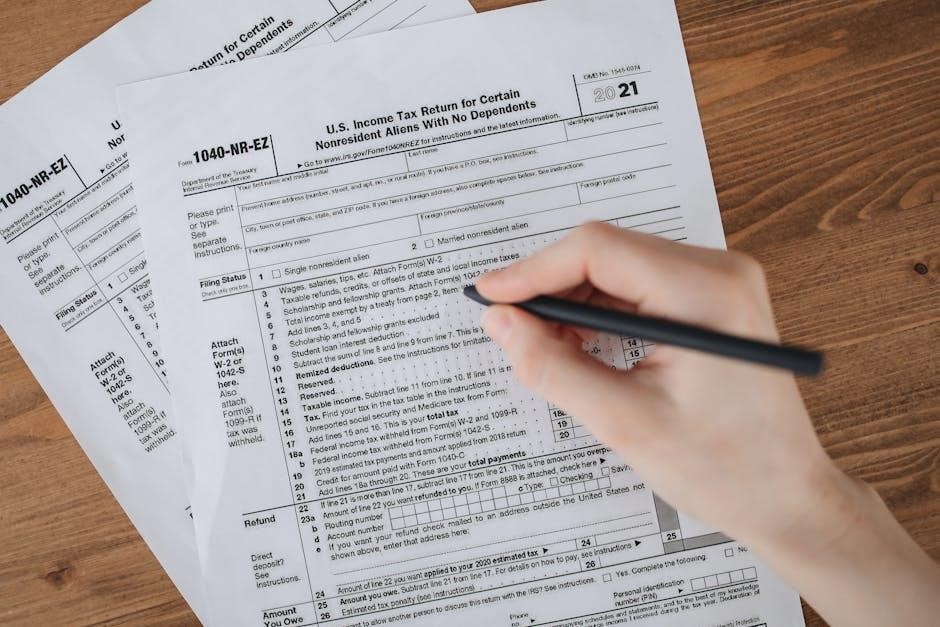
For personalized support, consider making an appointment with a tax professional, either in-person or remotely․ Expert help is crucial for complex tax situations or if you prefer a hands-off approach․ The CRA website offers information and contacts, but remember software providers aren’t CRA representatives․
Gain confidence with less effort, time, and money by utilizing available resources․ Fully credentialed tax help ensures accuracy and compliance․ Don’t hesitate to seek assistance if you’re unsure about any aspect of the filing process, maximizing your benefits and avoiding potential errors․
Checking Your Tax Refund Status
Once you’ve filed your 2026 tax return, a common question arises: when will my refund arrive? The Canada Revenue Agency (CRA) provides tools to track your refund’s progress․ Logging into your TurboTax account allows you to check the e-file status and monitor your refund’s journey․
The CRA’s “My Account” portal is a secure way to view your refund information online․ Regularly checking provides updates on processing times and potential delays․ Refunds are typically issued via direct deposit, which is generally faster than a mailed cheque․
Keep your Notice of Assessment for your records, as it confirms your refund amount and assessment details․ If you haven’t received your refund within a reasonable timeframe, contact the CRA for assistance․ Utilize the CRA’s resources to stay informed and ensure a smooth refund experience․